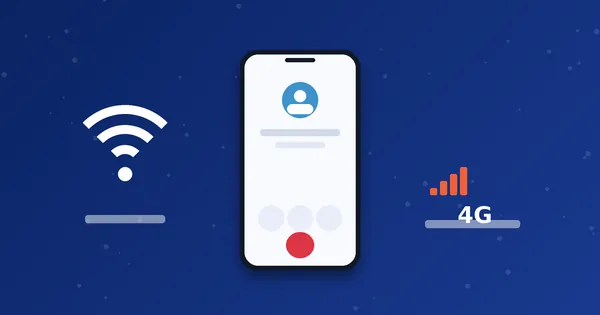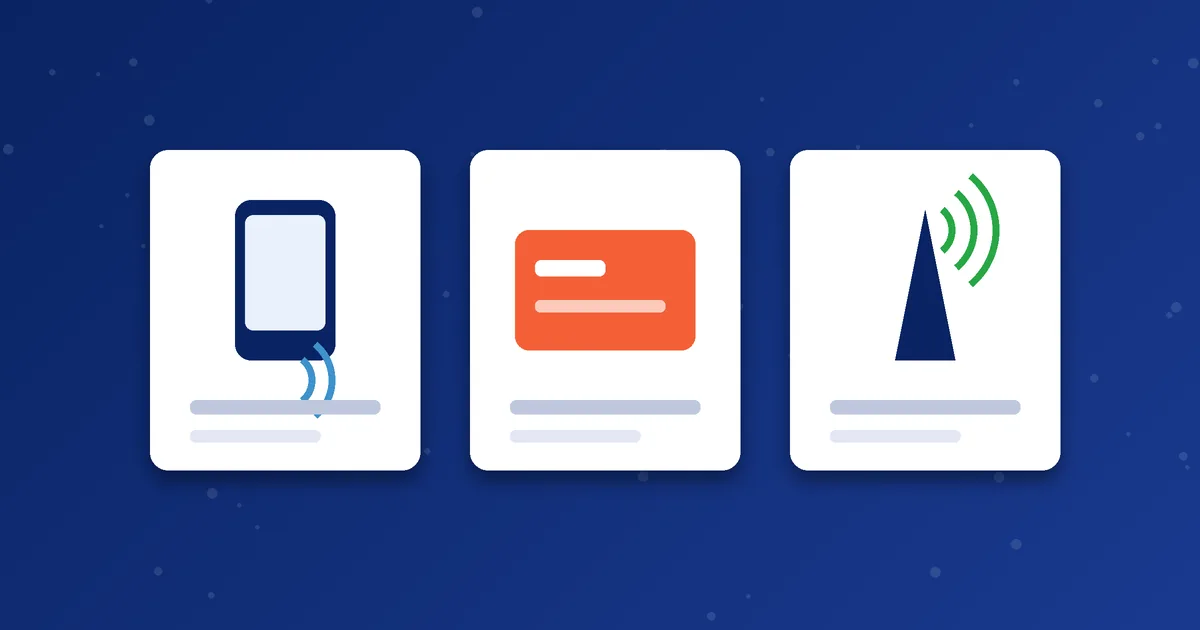
There is more than one way to call someone abroad. The best choice depends on where you are, how often you call and how reliable your internet connection is. We sell VoIP minutes, so we are not neutral, but here is a fair summary of how the three common options compare.
At a glance
| VoIP dialer | Prepaid calling card | Mobile roaming | |
|---|---|---|---|
| How it works | App calls over the internet using minutes from a VoIP account | Dial an access number, enter a PIN, then the destination | Normal mobile calls through a foreign network |
| Needs internet | Yes | Often no, but it depends on the card type | No |
| Cost control | Prepaid, so spending is limited to what you buy | Prepaid | Can be hard to predict; check your operator's rates |
| Ease of use | Open app and dial after setup | Extra steps for each call, though some apps automate them | Simple |
| Quality | Depends on your connection | Depends on the access route | Usually consistent |
VoIP dialer
Good for: regular calls to landlines and mobiles abroad where you have decent internet. You buy minutes in advance, install the dialer and call from your contact list.
Watch out for: quality depends on your network, you must keep your credentials safe, and you need to confirm destinations and package rules before buying. See what a mobile SIP dialer is if the idea is new to you.
Prepaid calling cards
Good for: people who do not want to rely on a data connection, or who share a phone line.
Watch out for: fees and rounding rules differ between cards, and extra steps per call can be inconvenient. Read the terms carefully before you buy.
Mobile roaming
Good for: short trips, urgent calls and situations where convenience matters more than price.
Watch out for: rates are set by your operator and can be high, and they can also apply to incoming calls and data. Check your operator's current charges before you travel.
Which should you choose?
- Frequent international calls from a place with good internet: a VoIP dialer is usually worth testing.
- No reliable internet: a calling card or normal mobile call may be more dependable.
- One short urgent call while travelling: roaming or a local option may be simplest.
Many people use more than one. A VoIP dialer for planned calls, and a normal call as a backup, is a sensible combination. Before you rely on VoIP for important calls, run through our pre-call internet test.
Before you buy
Ask which destinations your package supports, how long minutes remain valid and how activation works. Our package selection guide lists the questions to ask.
How to compare costs fairly
Price per minute is only part of the picture. When you compare options, look at the whole cost for your real usage:
- Connection or access fees. Some cards and services charge a fee per call.
- Rounding. Calls may be rounded up to the next minute, so many short calls cost more than the per-minute figure suggests.
- Validity. Minutes that expire before you use them are money wasted.
- Data costs. VoIP uses your internet connection, which costs little on broadband but may matter on a small mobile data plan. See how much data a VoIP call uses.
- Minimum purchase. A small first purchase lets you test before committing more.
Write down the numbers for each option for a typical month of your own calling. The cheapest on paper is not always the cheapest in practice, and the most convenient option may be worth a little more for some people.
Who each option tends to suit
| Person | Likely best fit | Reason |
|---|---|---|
| Student calling family weekly from home Wi-Fi | VoIP dialer | Regular, planned calls on a stable connection |
| Traveller making one urgent call | Roaming or a local solution | Convenience matters most |
| Person with unreliable internet | Calling card or normal call | Does not depend on data quality |
| Small trader calling suppliers daily | VoIP dialer with a larger package | Frequent calls, prepaid cost control |
Reliability considerations
No option is perfect. VoIP depends on your internet connection, calling cards depend on the quality of their access routes, and roaming depends on local coverage and your operator's policy. Keeping a second option for emergencies is sensible. If a VoIP call quality problem appears, our call quality guide shows how to find out whether your network or something else is responsible.
Next step: Compare the current MoSIP and iTel packages, or ask us whether VoIP fits the way you call.
Frequently asked questions
Is VoIP always cheaper than roaming?
Not always. It depends on your operator, destination and package. Compare the current rates yourself before deciding.
Can I use VoIP while roaming?
Yes if you have an internet connection, but check your data roaming charges, which may be high. Wi-Fi avoids this.
Are calling cards still worth using?
They can be, particularly where internet is unreliable. Read the fee and expiry terms first.